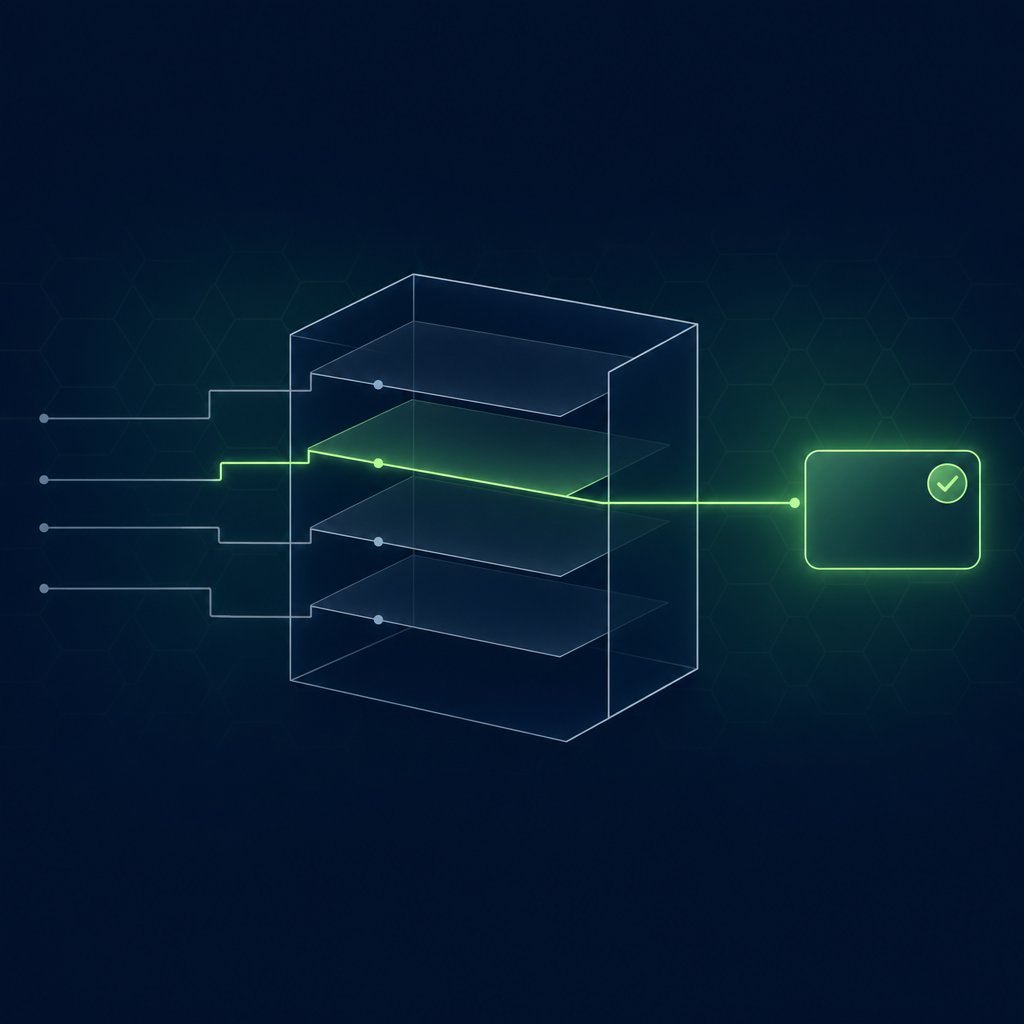
The right Common Room alternatives for sales intelligence depend on which of its four layers you are actually replacing: signal capture, person-level identity resolution, research and contact data, or workflow activation. No single vendor owns all four for every team. Prospecting-first teams usually replace the research and activation layers (Apollo, ZoomInfo, Cognism, Unify, Clay, Lead Seeker); teams whose signals come from their own product, community or customer base need first-party capture (Koala, Pocus, UserGems, Reo.dev) and should treat contact databases as a second purchase.
Common Room Alternatives for Sales Intelligence: The Short Answer
- Common Room is a bundle, and most "alternatives" replace part of it. Its published plans combine signal ingestion from a documented list of some fifty sources and integrations, a person-level identity layer (Person360), research and prospecting credits, and alerts, workflows and CRM sync. Decide which layer is doing the work for you before you shop, because the vendors below are strong in different layers.
- The entry price sets the comparison. On September 24, 2026, Common Room's pricing page listed its Essential plan at $2,500 a month billed annually, with five seats and up to 100,000 contacts; the two higher tiers are custom-priced. Several alternatives start below $200 a month; others start at $40,000 a year or are quoted only by sales. A price comparison only means something once you know which layers each price buys.
- Separate customer intelligence from prospecting. If most of your useful signals come from your own Slack, Discord, GitHub, product usage or customer community, you are a customer-intelligence buyer and a contact database will not replace Common Room. If most of your signals are public events at companies you have never spoken to, you are a prospecting buyer and the identity graph matters less than verification and source transparency.
- Test identity resolution and contact verification with your own data. Seed each candidate with the same fifty known people and measure match rate, false merges, verified-email rate and whether each claim carries a source and a date. Vendor pages describe capabilities; only a seeded test measures them for your accounts.
- There is no universal winner. Every vendor in this guide carries a best-fit label and a limitation. Lead Seeker publishes this page and appears in the comparison with the same treatment; the disclosure is below.
What Common Room Actually Bundles: The Four-Layer Map
Common Room describes itself on its homepage as "complete buyer intelligence that turns intent into pipeline," with AI waterfall enrichment across a directory it puts at more than 400 million contacts, "resolved to a real person," and buying-committee mapping "resolved down to individuals, not accounts." Its documentation lists the sources it can ingest: native signals such as job changes, job listings and news; sales and marketing systems including Salesforce, HubSpot, Marketo, Outreach, Salesloft, 6sense, Demandbase, Apollo and Koala; warehouses such as Snowflake, BigQuery, Redshift and S3; and community, developer and social sources including Slack, Discord, Discourse, GitHub, Stack Overflow, Reddit, LinkedIn, YouTube, Meetup, G2, Khoros and InSided. That breadth is the product's reason to exist, and it is also why "Common Room alternative" means different things to different buyers.
This guide's working model splits the product into four layers. It is an editorial framework built from the vendor's published plan grid and documentation, not a Common Room term.
| Layer | What it does inside Common Room | What you lose if you leave without a replacement |
|---|---|---|
| 1. Signal capture | Ingests first-party activity (product, community, web visits, CRM) and third-party signals (Bombora Company Surge topics, job changes, news) into one timeline per person and account | The unified timeline; each source goes back to living in its own tool |
| 2. Identity resolution | Person360 merges activity from many sources into one person and links that person to an account and a buying committee | Person-level matching across sources; most contact databases match at the account or record level instead |
| 3. Research and contact data | RoomieAI research credits, Prospector credits, enrichment and premium phone enrichment on a per-plan allowance | Contact discovery and enrichment; this is the layer the classic sales-intelligence vendors replace most easily |
| 4. Activation | Unlimited alerts, workflows and segments on every plan, Slack and email alerts, CRM, sales-engagement and Slack integrations, webhooks, a Chrome extension and an MCP server so AI assistants and agents can read the data | Routing, alerting and automated plays; replaceable by sequencing tools, CRM workflow builders or agent platforms, but only after layers 1 to 3 are settled |
The published plan facts matter because several of the layers are metered. The table below is what the pricing page displayed on September 24, 2026; confirm it on the page before you use it in a business case, because plan names and allowances change.
| Plan (September 24, 2026) | Price shown | Seats and contacts | Metered allowances shown | Notable gates shown |
|---|---|---|---|---|
| Essential | $2,500 per month, billed annually | 5 seats; up to 100,000 contacts | 5,000 RoomieAI research credits; 2,500 Prospector credits; 6 Bombora topics; 240,000 website activities a year; 1,000 website de-anonymizations a month | "Select integrations"; shared customer success manager; in-product and recurring data exports listed as add-on only |
| Advanced | Custom | 15 seats; up to 250,000 contacts | 7,500 research credits; 7,500 Prospector credits; 12 Bombora topics; 480,000 website activities a year; 1,000 de-anonymizations a month | Dedicated customer success manager; data exports still listed as add-on only |
| Enterprise | Custom | 30 seats; up to 750,000 contacts | 10,000 research credits; 15,000 Prospector credits; 25 Bombora topics; 960,000 website activities a year; unlimited de-anonymization | "Comprehensive integrations"; the plan FAQ places product-signal integration and auto-recurring data exports here |
Two things in that grid shape the alternatives question. First, product signals and data exports are gated, so a team on Essential that wants its own product-usage data inside the platform, or wants a recurring export of the merged person records, is already looking at add-ons or a tier change. Second, the same page states that every plan connects to a CRM, a sales-engagement platform and Slack and includes the MCP server, so the activation layer is not, on its own, a reason to leave. In this guide's reading of the plan grid, the reasons teams look at Common Room alternatives for sales intelligence are the entry price relative to the layers used, the metered research and prospecting credits, and the fact that the contact data itself is enriched through other providers rather than being the reason to buy.
Are You a Customer-Intelligence Buyer or a Prospecting Buyer? The First-Party Share Test
The most expensive mistake in this category is replacing a customer-intelligence platform with a contact database, or the reverse. A simple test sorts the two motions before you look at a single vendor.
Take the last 100 opportunities your team created, and for each one write down the signal that started the conversation. Then sort those signals into two piles:
- First-party signals originate inside systems you own: a free-tier sign-up, a spike in product usage, a question in your Slack or Discord community, a GitHub star or issue on your repository, a support ticket, a webinar registration, a visit to your pricing page. Only a platform connected to those systems can see them.
- Public and third-party signals originate outside your systems and are visible to anyone who looks: a funding round, an executive hire, a posted role, a technology change on a public site, an earnings statement, a job change by a former customer, a topic surge from an intent vendor.
The first-party share is the percentage of opportunities that started with a first-party signal. This guide's default thresholds are editorial, not benchmarks: above roughly half, you are a customer-intelligence buyer, and the alternatives that matter are the ones that ingest product, community and web activity and resolve it to people (Koala, Pocus, UserGems for former-user tracking, Reo.dev for developer activity). Below roughly a quarter, you are a prospecting buyer, and the alternatives that matter are the ones that find and verify people at accounts you do not yet know (Apollo, ZoomInfo, Cognism, Unify, Clay as an orchestration layer, Lead Seeker). In between, this guide's recommendation is to price two tools, and the honest budget comparison is Common Room against the pair, not against either one alone.
| Motion | Where the signals live | What "identity resolution" has to do | What "contact verification" has to do | Layer you are really buying |
|---|---|---|---|---|
| Customer intelligence and community | Your product, community, support and marketing systems | Merge one person's activity across Slack, GitHub, product and CRM without false merges | Confirm a work identity behind a community handle | Layers 1 and 2 |
| Prospecting into new accounts | Public web, filings, job boards, news, third-party intent | Match a public event to the right company and the right role at that company | Confirm the person still holds the role and the mailbox is live, with a date | Layers 3 and 4 |
| Expansion and champion tracking | Your CRM history plus job-change data | Follow a known person to a new employer | Confirm the new role and a new work address | Layers 1, 2 and 3 |
The community sources Common Room lists (Slack, Discord, Discourse, Khoros, InSided and the rest) are platforms you run a community on; they are inputs to a customer-intelligence layer, not substitutes for it. Two vendors that used to sit near this category are in transition as of this writing: The Swarm announced on July 23, 2026 that it is acquiring Commsor and "winding down the Commsor products," and Warmly's site carries a banner stating that HubSpot is acquiring Warmly. Neither is evaluated here; both are reminders to check a vendor's corporate status on the day you sign, not the day you read a comparison.
Person and Account Signals: Which Alternatives Capture What Common Room Captures
Signal capture is where the alternatives diverge most, and vendor pages are specific enough to compare. The list below records what each vendor's own pricing or product page stated on September 24, 2026; where a capability is not described on the pages read, the table says so rather than guessing.
| Vendor | First-party signals stated on official pages | Public and third-party signals stated | Person-level or account-level as described |
|---|---|---|---|
| Common Room | Product, community, web activity, CRM and marketing systems via listed integrations | Job changes, job listings, news, Bombora Company Surge topics, social activity | Person-level (Person360) and buying committee |
| Koala | Website activity, product activity, community and social activity, custom signals | Intent scoring, trending accounts | Identity graph plus company de-anonymization |
| Pocus | Call recordings, CRM data, emails and product usage described as "internal data" | AI knowledge agents that pull from 10-Ks, podcasts, news and job postings; topic intent, job switchers, de-anonymized web | Not stated in identity terms on the page read |
| UserGems | CRM history used to track past champions and users | Job changes as the core signal; contact-level intent and web de-anonymization listed among its features | Person-level by design (following named people) |
| Reo.dev | Developer and technical activity for teams selling to engineering teams | Technical buying signals "from everywhere," delivered where reps work | Not stated in detail on the homepage; ask in a demo |
| Unify | Website intent and product signals on the Business tier only | Job-change and hiring signals from the Base tier | Account and person records from a claimed 1.1 billion-person directory |
| Apollo | Website visitors per the plan grid | Buying-intent topics (1, 6, 6 and 12 by tier), job changes, advanced filters and signals | Contact and account records |
| ZoomInfo | Website visitors on Copilot Advanced | Buyer intent signals and clusters, champion tracking, job-posting changes, funding info on Copilot Advanced | Contact and account records plus AI-generated buying group |
| Clay | None natively; you connect your own sources | Job change, promotions, new hires, company news and social signals from the Launch tier | Whatever your table logic resolves |
| Cognism | Not stated on the pricing page | "Signal-based filters" alongside firmographic and technographic filters | Contact and account records |
| Lead Seeker | None; works only from public events | Hires, funding, posted roles, stack changes, public statements and operational stress, each with a recency, fit and category weight | Person-level, with the public source that surfaced the person attached to the record |
Read the first column hardest. If you need first-party capture and a vendor's own pages do not mention your systems, the answer is no until a demo proves otherwise. Read the second column for the specific signal types you actually convert on; a job-change signal is only valuable if you have a base of former users to follow, and a website de-anonymization signal is only valuable if your site gets enough qualified traffic to matter.
Identity Resolution: How to Test Person-Level Matching Before You Sign
Identity resolution is the layer buyers underestimate. Common Room's central claim is that activity from many sources lands on one person, linked to one account. Alternatives make weaker or different claims: Koala names an identity graph, UserGems follows named individuals across employers, and the contact databases match at the record level, which is a different job.
The only reliable way to compare is a seeded test, run identically on every candidate that reaches your shortlist:
- Build a seed file of 50 known people from your own CRM: 20 current customers' champions, 15 people who have changed jobs in the last year (you know both employers), 10 active community or free-tier users whose work identity you have confirmed, and 5 deliberate traps (two people who share a name, one who left the industry, one who works at a subsidiary, one whose company was acquired).
- Load the same file into each candidate and connect the same sources you would connect in production. Where a vendor cannot connect a source you rely on, record that as a result, not as a test problem.
- Score five outcomes per person: matched to the right person; matched to the right current account; activity from at least two sources merged onto the same profile; no false merge with a namesake; and, for the job changers, the new employer identified without a manual prompt.
- Count the failures by type. A vendor that misses ten matches is a coverage problem you can price. A vendor that falsely merges two namesakes is a trust problem that will reach a rep's outreach and a customer's inbox.
- Ask each vendor to show the evidence behind three matches. Which source made the link, when, and can a rep see it? This is the source-transparency question, and it decides whether your team can correct the graph when it is wrong.
Write the results into the same scorecard for every vendor. The seeded test can move a shortlist more than pricing does, because platforms that look alike on a feature grid separate on the trap records.
Account Research and Contact Verification: Reading Vendor Claims
Every vendor in this category uses the word "verified." The claim means different things, and the pages rarely define it. This guide grades any vendor's research and contact layer on a four-rung source-transparency ladder; it is an editorial device, and you can apply it in a demo in under ten minutes.
- Rung 0, a score. The record shows a number or a grade with no explanation. You cannot audit it, and a rep cannot defend it on a call.
- Rung 1, a signal type and a date. The record says "job change, 14 days ago" or "intent surge, this week." You can prioritize, but you still cannot read the underlying event.
- Rung 2, a link to the public source. The record links to the posting, the filing, the press release or the profile that produced the claim, with the date the vendor last checked it. A rep can read the evidence before writing.
- Rung 3, the raw event and the resolution path. The record shows the event, the source, the date, and which person and account it resolved to, so an admin can correct a wrong link.
Apply the same ladder to contact verification. Ask when the mailbox was last verified, whether catch-all domains are labelled, what happens to a bounced record, and whether a re-verification costs a credit. Apollo's page lists waterfall enrichment and AI research by tier; Cognism's page describes "verified, compliance-first data" and sells CRM enrichment as an add-on; Clay's model runs your chosen providers in a waterfall so verification quality is whichever provider's you configured; UserGems and Unify sell enrichment on credits. Lead Seeker's product pages state that each dossier "shows the date it was last verified" and links "each claim to its public source where available," which places the signal at rung 2 by this ladder when a public link is present; grade the email separately by its verification date and method rather than assuming the same rung, and note that the product does not claim rung 3 for first-party activity because it does not ingest any.
Two rules keep this layer honest. Never accept a verification claim without a date on the individual record, and never compare vendors on a sample they chose; use the seed file from the identity test and grade the verified-email rate and the presence of source links on your own people. If you want the mechanics of email verification itself, the guide to B2B email verification covers syntax, domain and mailbox checks and where catch-all domains break them.
Workflow Automation and CRM Activation: Replacing Alerts, Plays and Sync
Activation is the layer with the most substitutes, and the one where a rebuild most needs an audit first. Common Room's plan grid lists unlimited alerts, workflows and segments on every tier, Slack and email alerts, automated workflow templates and custom workflows, CRM and sales-engagement integrations, webhooks, and an MCP server for AI assistants. Alternatives cover this ground unevenly:
- Sequencing-first platforms (Apollo, Unify, and ZoomInfo's Copilot tiers with their workflows and "go to market plays") own the outreach step and route records into it. Unify puts signal-triggered automations, read-write CRM sync and a dialer on its Business tier only; its Pro tier syncs HubSpot and Salesforce read-only, which is a common surprise.
- Signal-first platforms (Koala, Pocus, UserGems) own the alert and routing step and hand off to your sequencer. Koala's grid lists trigger-based plays, Slack alerts, lead routing by territory or CRM owner on higher tiers, and sales-engagement integrations; UserGems lists automated campaigns and CRM hygiene alongside Outreach, Salesloft and Gong Engage integrations.
- Orchestration tools (Clay) let you rebuild almost any play, at the cost of owning the tables, credits and logic yourself. That is a feature for a team with an operations owner and a liability for a team without one.
- Search-and-sync tools (Lead Seeker, and the classic databases used without their sequencers) hand verified records to your CRM and leave routing and cadence to the tools you already have. Lead Seeker's pricing page lists native Salesforce and HubSpot sync on every paid plan, with exports and sync not consuming Lead Units.
Before you rebuild a play, write down what it actually did in Common Room: the trigger, the filter, the owner it routed to, the message it started and the field it wrote back. Any workflow with no measurable downstream action can be dropped, and many of the rest can live in the CRM's own workflow builder. Where a play genuinely needs judgement between steps, an agent platform can run it; Pyra, which I co-founded, builds and runs agents for sales workflows, and so do the agent features inside several of the platforms above and your CRM vendor. Choose the agent only after the records feeding it are verified, because automation multiplies whatever data quality it is given. The signal-based prospecting workflow shows the manual version of a signal-to-outreach play worth automating.
The Layer Ownership Scorecard
The scorecard below is this guide's reading of each vendor's official pages on September 24, 2026, mapped onto the four layers. "Owns" means the layer is a stated core of the product; "partial" means the pages describe some of it or gate it to a tier; "via integration" means the vendor expects another tool to do it; "no" means the pages do not describe it. Treat every cell as a prompt for a demo question, not a verdict.
| Vendor | 1. Signal capture | 2. Identity resolution | 3. Research and contact data | 4. Activation | Best-fit label |
|---|---|---|---|---|---|
| Koala | Owns (web, product, community, social) | Owns (identity graph, de-anonymization) | Partial (waterfall enrichment, AI research on credits) | Owns (plays, alerts, routing, SEP integrations) | Product-led and community-led teams leaving on price |
| Pocus | Owns (internal data plus AI knowledge agents) | Not stated on pages read | Partial (AI research and guidance) | Owns (playbooks, in-workflow guidance) | Teams that want prescribed next actions from internal data |
| UserGems | Partial (job changes, contact-level intent, web de-anonymization) | Owns for known people (follows named users across employers) | Partial (list building and research agents on credits) | Owns (automated campaigns, CRM hygiene, SEP integrations) | Expansion and champion-tracking motions with an existing customer base |
| Reo.dev | Owns for developer activity | Not stated in detail on homepage | Not stated on homepage | Partial (signals delivered where reps work) | Teams selling to engineering teams that valued Common Room's GitHub and Stack Overflow sources |
| Unify | Partial (job change and hiring from Base; web and product signals on Business only) | Partial (record matching against a claimed directory) | Owns (enrichment on credits) | Owns (sequencing, mailboxes, signal-triggered automations on Business) | Small outbound teams that want signals and sequencing in one seat price |
| Apollo | Partial (intent topics, job changes, website visitors by tier) | Partial (record matching) | Owns (database, waterfall enrichment, AI research) | Owns (sequences, dialer, workflows) | Seat-priced all-in-one outbound for prospecting teams |
| ZoomInfo | Partial (intent, website visitors, champion tracking on Copilot tiers) | Partial (records plus AI-generated buying group) | Owns (contact and company data, mobile numbers) | Owns (workflows, plays, exports to Outreach and Salesloft) | Enterprise prospecting with procurement capacity for an unpublished contract price |
| Cognism | Partial ("signal-based filters") | Partial (record matching) | Owns ("verified, compliance-first" contact data by its own description) | Partial (CRM enrichment add-on; check sequencing integrations) | Compliance-sensitive prospecting teams that buy by quote |
| Clay | Via integration (you connect sources) | You build it (table logic, waterfalls) | Owns orchestration; data is other providers' | Partial (sequencer or integrations) | Teams with an operations owner who want to compose their own stack |
| 6sense | Owns third-party intent and predictive scoring | Partial (account-centric packaging; confirm person-level in a demo) | Partial (data credits in some packages) | Partial (packages vary) | Account-based marketing and sales teams prioritizing accounts, not individuals |
| Lead Seeker | Public events only | Person-level, public-source; no first-party graph | Owns (verified contact, verification date, source links, DISC read) | Partial (Salesforce and HubSpot sync, exports; no sequencer or alerts) | Prospecting teams that want traceable records without an annual contract |
Two omissions are deliberate. Bombora is a data source that Common Room resells as Company Surge topics rather than a platform you would move to; buy it directly only if you already have the identity and activation layers. Demandbase and the wider ABM platforms overlap with 6sense's row and are account-centric; evaluate them with the same demo question about person-level resolution.
Published Pricing and the Limitation to Check for Each Alternative
Prices below are what each vendor's own pricing page displayed on September 24, 2026. Where a page publishes no price, the table says so; this guide does not repeat third-party estimates, including the annual figures for Common Room that circulate on competitor blogs. Billing periods matter: "billed annually" means the monthly figure is a twelfth of a yearly commitment.
| Vendor | Published entry price (September 24, 2026) | Pricing model shown | Limitation to check in a demo |
|---|---|---|---|
| Common Room | Essential $2,500 per month, billed annually; Advanced and Enterprise custom | Seat, contact and credit allowances per tier; add-ons for DataAgent actions, Prospector credits, product signals and data exports | Product signals and data exports are gated on the lower tiers; research and Prospector credits are metered |
| Koala | Free plan (2 seats, 100 credits a month); Starter $200 a month; Growth $1,000 a month; Business custom | Seats plus monthly credits, "all features" on every tier | Credits cover enrichment and research; confirm how quickly your traffic burns them |
| Pocus | Not published; the pricing URL resolves to a demo request | Not shown | No self-serve entry; identity resolution not described on the page |
| UserGems | Core $40,000 a year; Advanced $75,000; Elite $150,000; one-time implementation $3,000 to $10,000 | Annual tiers with credit pools (4 million to 25 million) and a stated money-back guarantee tied to closed-won ROI | Entry price is above Common Room's Essential tier; the value case depends on a base of past users to follow |
| Reo.dev | Not published | Not shown | Scope is technical buyers; confirm fit if your buyers are not engineers |
| Unify | Free; Base $20 per seat a month; Pro $60 per seat a month, billed monthly; Business custom, billed annually; managed mailboxes $25 a month each | Seat price plus monthly credits per seat | Web intent, product signals, signal-triggered automations and read-write CRM sync are Business-tier only |
| Apollo | Free; Basic $49, Professional $79, Organization $119 per seat a month, billed annually (Organization minimum three seats) | Seat price with annual credit grants (30,000 to 72,000 per seat) | Intent topics and record-selection limits scale by tier (1 to 12 topics; 25 to 10,000 records) |
| ZoomInfo | Not published; free-trial links on Professional and Copilot Advanced | Packages (Professional, Copilot Advanced, Copilot Enterprise) | Price is negotiated; signals and website visitors sit on Copilot tiers, not Professional |
| Cognism | Not published; Standard and Pro each include five seats | "Scales with seats and shared credits"; CRM Enrichment and Data-as-a-Service add-ons | No self-serve price; confirm credit consumption for phone numbers |
| Clay | Free (500 actions a month); Launch from $167 a month; Growth from $446 a month at the smallest usage packs shown; Enterprise custom | Usage-based actions and data credits, unlimited seats | Provider data costs sit on top of Clay's actions; someone must own the tables |
| 6sense | Not published | Packages combining sales intelligence, data credits and predictive AI | Account-centric packaging; confirm what person-level data the credits buy |
| Lead Seeker | Pilot $99 one-time for 14 days with 50 Lead Units; Starter $149 a month (2 seats, 75 Lead Units); Growth $499; Scale $1,299; Enterprise from $4,500 a month on a custom annual contract | Flat workspace fee plus Lead Units consumed only when a new search returns live person records; overage from $1.80 down to $0.95 per unit on the self-serve plans and from $0.85 on Enterprise; annual billing on the self-serve plans at ten times monthly | No first-party ingestion, no sequencer, no alerting; volume teams pay per live record |
Two comparisons fall out of the table. A prospecting team that used Common Room mainly for Prospector credits and alerts can price Apollo, Unify or Lead Seeker plus its CRM's workflow builder against the Essential tier; the published entry prices are far lower, but the comparison only holds at the same record volume, because Lead Seeker bills per live record, the databases meter credits and the time spent in the CRM workflow builder is a cost too. What the team gives up is the unified first-party timeline it may not have been using. A product-led team that used Common Room for product and community signals should compare Koala's Growth tier and Pocus (by quote) with Common Room's Essential tier plus its product-signals add-on, because the contact databases cover layer 1 only for website visitors on their higher tiers and do not describe product or community ingestion. For a broader view of how the databases price against each other, the sales intelligence platform comparison sets out seat, credit and contract models side by side.
Best-Fit Labels by Situation
- You are leaving on price, and your signals are mostly public. Shortlist Apollo, Unify and Lead Seeker; add Cognism if a compliance-first data posture decides deals, and ask it about phone coverage in your regions. Run the seeded verification test and grade source links.
- You are leaving on price, and your signals are mostly product or community. Shortlist Koala and Pocus; keep Common Room's Essential tier in the comparison with its add-ons priced. Do not expect a contact database to fill the product and community gap; website-visitor identification on their higher tiers is the only first-party signal their pages describe.
- Your best pipeline comes from former users and champions who changed jobs. UserGems is built for that motion at an enterprise price; Clay's Launch tier lists job-change signals for a team that will build the follow-up itself; Lead Seeker surfaces executive hires as public signals but does not follow your named users.
- You sell to engineers and valued the GitHub and Stack Overflow sources. Look at Reo.dev first, and ask Koala and Pocus how they treat developer activity.
- You have an operations owner and want to compose a stack. Clay as the orchestration layer, with your chosen data providers and a sequencer; budget the person's time as part of the price.
- You need account prioritization for a marketing and sales program, not person-level outreach. 6sense and the ABM platforms; make the person-level question explicit in the demo.
- You need one vendor for everything and have procurement capacity. ZoomInfo's Copilot tiers or staying on Common Room; the decision is a negotiated contract either way.
A Synthetic Migration Example
The following example is synthetic. The company, the numbers and the signal mix are invented to show the method; they are not a customer, a benchmark or a claim about any vendor's results.
Halyard Metrics is an imaginary 40-person analytics company selling to product teams. It has been on Common Room's Essential tier for a year. Applying the first-party share test to its last 100 opportunities: 22 started with a product sign-up or usage signal, 8 with a community question, 41 with a public event (a hire, a funding round or a posted role at an account), 19 with a job change by a past user, and 10 with an intent-topic surge. First-party share is 30 percent, in the mixed zone.
| Layer | What Halyard used in Common Room | Replacement candidates from the scorecard | Decision rule the team wrote down |
|---|---|---|---|
| 1. Signal capture | Product sign-ups and community questions (30), public events at unknown accounts (41), job changes by past users (19), Bombora topics (10) | Koala (product and community); a public-signal search tool for the events; a separate decision on job-change tracking; topics bought inside a database plan or dropped | Keep any signal type that started more than 10 percent of opportunities; drop the rest |
| 2. Identity resolution | Person360 merging product, community and CRM activity | Koala identity graph; seeded 50-person test required | Reject any candidate with a false merge on the trap records |
| 3. Research and contact data | Prospector and research credits for new accounts | Apollo, Unify or Lead Seeker for public-signal accounts | Grade verified-email rate and source links on the seed file; require a verification date on every record |
| 4. Activation | Slack alerts, routing to the sequencer, CRM write-back | CRM workflow builder plus the existing sequencer | Rebuild only the three plays with a measured downstream action |
The synthetic outcome is two tools plus two smaller decisions rather than one platform: a product-and-community signal platform for the 30 first-party opportunities and their identity resolution; a public-signal prospecting tool for the 41 opportunities that began with an event at an account nobody knew; a choice, for the 19 former-user job changes, between a dedicated job-change tracker at an enterprise price and a manual quarterly check of past champions in the CRM; and, for the 10 intent-topic surges, either intent topics inside a database plan or dropping the signal if it rarely converts. The team compares the combined annual cost against Common Room's Essential price plus the product-signals add-on, and it also compares the workload: two or three admin surfaces instead of one, and more places where a person record can go stale. The example stops there on purpose. Whether the pair is cheaper or better for a real company depends on the seeded test results and the quotes, and no comparison page can supply those.
The Replacement Checklist
Use this before you cancel anything. Each item maps to a layer, and each is answerable from your own data or the vendor's pages.
- First-party share. Compute it from your last 100 opportunities. Write the number down; it decides the category you are shopping in.
- Signal inventory. List every source connected to Common Room today and mark which ones produced an opportunity in the last two quarters.
- Export plan. Confirm what you can export and in what shape before you give notice; in-product and recurring data exports are listed as add-ons on Common Room's lower tiers, so the merged person records may not leave in the form you expect.
- Seed file. Build the 50-person identity test file and run it on every finalist.
- Verification standard. Require a verification date on every contact record and a source link on every signal; grade each finalist on the seed file, not on a vendor demo list.
- Play audit. List the workflows that produced a measured downstream action; rebuild only those.
- Tier gates. For each finalist, list the features that sit on a higher tier than the one you are pricing (read-write CRM sync, product signals, intent topics, exports) and price the tier you actually need.
- Contract terms. Note billing period, minimum seats, credit expiry and overage rates from the pricing page, and confirm them in the order form.
- Corporate status. Check for announced acquisitions or product wind-downs on the vendor's own site the week you sign.
- Compliance file. Record where each finalist says its contact data comes from and how it handles deletion requests; SOC 2 and GDPR statements on a pricing page are a starting point for your security review, not a substitute for it.
Where Lead Seeker Fits, and Where It Does Not
Lead Seeker publishes this page, so read this section as a disclosed vendor's account of itself. It belongs on a list of Common Room alternatives for sales intelligence in exactly one situation: the prospecting motion, where the signals are public events at accounts you do not yet know and the job is to reach the right person with a record you can trace. Its product pages describe Trigger Signals as public buying events (hires, funding, posted roles, stack changes, public statements, operational stress) ranked by recency, fit and category weights, and a Prospect Dossier that carries a verified work email, the date the record was last verified, the signal that surfaced the person, a link to its public source where one exists, and a directional DISC read with a suggested first line. Pricing is a flat workspace fee with Lead Units consumed only when a new search returns live person records; the $99 pilot, the $149 Starter tier and the absence of an annual contract on self-serve plans are the reasons small teams put it on a shortlist. You can see how to read Trigger Signals and how the prospect dossier works on the product pages, and if Apollo is the other finalist, the apollo io alternative comparison sets out where each is the better trade-off.
Where it does not fit is just as clear. Lead Seeker does not ingest your product usage, community, support or website activity, so it is not a customer-intelligence platform and cannot replace Common Room's first two layers for a product-led or community-led team. It has no sequencer and no alerting, so activation stays in your CRM and outreach tools. It does not follow your named former users to new employers; it surfaces executive hires as public signals, which is a different motion from UserGems' job-change tracking. And it is priced per live record, which suits teams that work a defined set of accounts each month and penalises teams that want to pull tens of thousands of records at once. If those limits describe your motion, the other rows of the scorecard are the better place to look.
Adjacent Layers: Agencies, AI Visibility and Agents
Three related companies come up when teams rebuild a signal stack, and all three should be read as disclosed self-reference. Percepture, where I am President, runs B2B intent data programs that turn buyer signals into targeting and outreach for sales and marketing teams, alongside enterprise SEO and digital PR; that is an execution service, not a platform, and it is the right call only when the constraint is people rather than software. Prime AI Visibility, a related company, measures whether a brand appears when buyers ask AI answer engines about a category; it is an adjacent measurement layer for the marketing side of a signal program and is not a sales-intelligence substitute or a Common Room alternative in any sense used in this guide. Pyra, described above, builds and runs AI agents for sales workflows and belongs in the activation layer only once the records feeding it are verified. None of these three is required to use any vendor in the scorecard, and an unaffiliated agency, measurement tool or agent platform can do the same jobs.
How This Guide Was Built
Every vendor claim in this guide comes from the vendor's own pricing, product or documentation pages as they read on September 24, 2026; the research record lists the URLs. Where a page did not describe a capability, the tables say so rather than inferring it. Google results, People Also Ask boxes, AI Overviews and answer-engine responses for the query were not captured from this environment, and no claim about rankings, search volume or which pages AI engines cite is made here. Competitor comparison pages were read for structure only, and the pricing estimates they publish for Common Room were not repeated because they do not appear on Common Room's own page. The four-layer map, the first-party share test, the source-transparency ladder and the seeded identity test are editorial frameworks written for this guide. The synthetic migration example is invented. Lead Seeker's own entries were held to the same standard as every other vendor's: the claims are limited to what its public pages state, and its limitations are listed in the same tables.
About the Author and Reviewer
Bob Generale is President of Percepture. He works across SEO, AI search, digital PR, sales intelligence and AI-powered revenue systems, with a focus on connecting visibility, buyer intent and sales action. This guide was reviewed by Alex Mannine, Global Head of Strategy & AI at Percepture, who checked the four-layer map and the scorecard against the vendor pages cited and against how signal programs are actually run.
Frequently Asked Questions
What is Common Room, and what does it cost?
Common Room is a buyer-intelligence platform that ingests first-party signals from product, community, web and CRM systems and third-party signals such as job changes and intent topics, resolves them to individual people and accounts, and adds research and prospecting credits, alerts, workflows and CRM integrations. On September 24, 2026, its pricing page listed the Essential plan at $2,500 a month billed annually with five seats and up to 100,000 contacts, and custom pricing for the Advanced and Enterprise tiers. Product signals and data exports were listed as add-ons on the lower tiers.
Is Common Room a sales intelligence platform or a customer intelligence platform?
It is both, which is why alternatives are hard to compare. Its identity and signal layers were built around community and product activity, which is customer intelligence, and its Prospector, research credits and Bombora topics serve outbound prospecting, which is sales intelligence. The first-party share test in this guide tells you which half you were actually using: if most of your opportunities started with activity inside your own systems, you need a customer-intelligence replacement; if most started with public events at unknown accounts, a sales-intelligence tool covers your use.
Which Common Room alternatives keep product and community signals?
On their official pages, Koala lists website, product, community and social activity with an identity graph; Pocus describes internal data from call recordings, CRM, email and product usage plus AI knowledge agents; and Reo.dev is built around developer and technical activity for teams selling to engineers. Unify lists website intent and product signals on its Business tier only. Contact databases such as Apollo, ZoomInfo and Cognism describe website-visitor identification on their higher tiers but not product, community or support ingestion, and public-signal tools such as Lead Seeker ingest no first-party activity at all, so none of them replaces this layer.
Can Apollo or ZoomInfo replace Common Room?
For the research and activation layers, often yes: both publish contact and company data, sequences or workflows, and intent and website-visitor signals on their higher tiers, and Apollo's seat prices start at $49 a month billed annually while ZoomInfo's are negotiated. For the first-party signal and identity layers, no: neither page describes ingesting your product, community or support activity or merging it into one person profile. A team that used Common Room mainly for prospecting can move; a team that used it for customer intelligence will need a different category of tool.
How do I compare identity resolution between vendors?
Run the same seeded test on every finalist: 50 known people from your CRM, including recent job changers, confirmed community users and a few deliberate traps such as namesakes and subsidiaries. Score each vendor on right-person matches, right-account matches, cross-source merges, false merges and unprompted detection of new employers, and ask to see the evidence behind three matches. Feature grids describe capabilities; only the seeded test measures them on your accounts, and false merges on the trap records should disqualify a vendor regardless of price.
What should I export from Common Room before switching?
Confirm the export path before you give notice. Common Room's pricing grid lists in-product data exports and auto-recurring exports as add-on only on its lower tiers, so check whether your tier can export the merged person records, segments and signal history in a usable shape, and whether CSV or warehouse destinations are available to you. Export the signal inventory and the workflow definitions as well, because the play audit in this guide depends on knowing which alerts actually produced action.
Is Lead Seeker a Common Room alternative?
Only for the prospecting layer, and it publishes this page, so treat the answer as disclosed self-reference. Lead Seeker works from public buying events and returns decision-makers with a verified work email, a verification date, the surfacing signal and a link to its public source, priced as a flat workspace fee plus Lead Units spent only on live records, with a $99 pilot and a $149 monthly Starter tier. It does not ingest first-party product or community data, has no sequencer or alerting, and does not follow named former users to new employers, so it is not a replacement for Common Room's customer-intelligence layers.
Sources
- Common Room, Pricing (plan prices, seat, contact and credit allowances, feature gates, integration and compliance statements; read September 24, 2026)
- Common Room, Homepage (buyer-intelligence positioning, waterfall enrichment and person-level resolution claims; read September 24, 2026)
- Common Room Docs, Signals and Integrations (complete signal and integration list; read September 24, 2026)
- Koala, Pricing (Free, Starter, Growth and Business tiers and feature grid; read September 24, 2026)
- Pocus, Pricing URL resolving to the product page (positioning and signal sources; no published prices; read September 24, 2026)
- UserGems, Pricing (Core, Advanced and Elite annual tiers, credits, implementation fees, guarantee statement; read September 24, 2026)
- Reo.dev, Homepage (technical GTM positioning and funding announcement; read September 24, 2026)
- Unify, Pricing (Free, Base, Pro and Business tiers and tier gates; read September 24, 2026)
- Apollo.io, Pricing (Free, Basic, Professional and Organization plans, credit grants, intent topics and record limits; read September 24, 2026)
- ZoomInfo, Pricing (Professional, Copilot Advanced and Copilot Enterprise package descriptions; no published prices; read September 24, 2026)
- Cognism, Pricing (Standard and Pro packages, add-ons and pricing model statement; no published prices; read September 24, 2026)
- Clay, Pricing (Free, Launch, Growth and Enterprise plans, actions and data credits, signals by tier; read September 24, 2026)
- 6sense, Pricing (package structure; no published prices; read September 24, 2026)
- The Swarm, The Swarm is acquiring Commsor (announcement dated July 23, 2026; read September 24, 2026)
- Warmly, Homepage (site banner stating HubSpot is acquiring Warmly; read September 24, 2026)
- Lead Seeker, Pricing, Trigger Signals and Prospect Dossier (plan prices, Lead Unit rules, signal and dossier descriptions; read September 24, 2026)
Next Steps
Compute your first-party share from the last 100 opportunities, build the 50-person seed file, and run every finalist through the identity and verification tests before you look at a quote. If that exercise puts you in the prospecting motion, the Clay alternatives for prospect research guide covers the orchestration side of the same decision, and you can claim 5 free verified leads to grade Lead Seeker's records against your seed file on the same scorecard as every other vendor. If it puts you in the customer-intelligence motion, take the first-party columns of the scorecard into your demos and hold each vendor to the seeded test.